Thursday, March 19, 2020

Social Media Management in Times of Crisis

These are times of fast-changing news around COVID-19. It’s clear that what we are facing — not just as marketers, as friends, and parents and colleagues — is unprecedented. And we’re all in it together.

In times like these, people look to each other, and to their communities to figure out how to respond. Over the last, 9 years, we’re very grateful to have built up such a strong community of people who use our products, read our blogs and listen to our podcast, and we believe that it’s important that we all try to navigate these challenges together. That’s why we want to share these thoughts with you. Sometimes, it’s best to just start a conversation.

Last Thursday (March 12, 2020), as a team, we took a moment to stop and reflect. We paused our Buffer queue, as what seemed like a great and timely posts a few days ago, now felt a little irrelevant. We gathered together and we discussed what the COVID-19 situation means for Buffer, for our teammates and those closest to us, and our customers — and we’re still figuring this out.

Social media is such an important communication tool in 2020, and we know as we all try to navigate unexpected and unprecedented challenges, many of your customers and teammates will turn to social media for some form of support. And as many around the globe isolate, social media might become an even more important channel for communication and a sense of community.

So what does social media management look like over the coming weeks and months? We’re still figuring it out.

We hope that the below thoughts can act as a starting point to work from as we navigate the current and up-coming challenge.

This isn’t an opportunity

The first thing to say is that this isn’t a marketing opportunity. Brands shouldn’t be looking at the COVID-19 pandemic as something to capitalize on.

However, even though it’s not quite business as usual — every post, campaign and ad you run will need an added layer of care and empathy over the coming days and weeks — it is okay to continue to market and sell your product or services, we know for some businesses not selling products can impact the livelihoods of some of their teammates. Just don’t use COVID-19 as a platform to self-promote. 

Pause and reconsider your social media plans (and goals)

If you haven’t already, now is a time to reflect on any existing plans for the end of Q1 and heading into Q2.

Many campaigns and pieces of content you had planned might be better saved for another time. We recommend rethinking your content and social media plans to tailor them to the changing needs of consumers right now.

On Monday (March 16th), we were due to launch a new, updated version of our podcast, The Science of Social Media. We had a new episode lined up, new artwork, creative and more. But we felt it wasn’t the time “celebrate” something new so we hit pause on that temporarily to focus on the more immediate needs of our customers and our audience. (We still plan to launch the new style podcast in the next week-or-so, but the launch might look a little different.)

It’s also a good time to reflect on any goals you had for the coming months as priorities may need to change. For example, new customer acquisition goals might shift towards a focus on customer retention and support.

Now is a good time to take a look at the bigger picture and what social media means to your business in a time of global crisis.

If you decide to keep some campaigns or content paused and find yourself with a few spare hours that would have been spent on content creation, promotion or analytics, now could be a good time to focus on some of the social media tasks that aren’t directly customer facing like a social media audit. 

Is your company able to help

You never want to shoehorn your brand into a conversation in which it doesn’t belong. And most brands don’t belong directly in the COVID-19 conversation.

But that said, almost every business globally will be impacted in some way by COVID-19, and there might be some small things your business can do help in these moments.

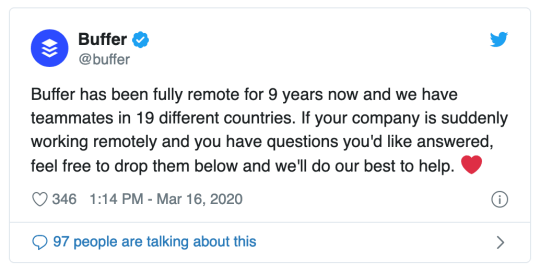
At Buffer, we’ve been a remote-first company since the start, and with many businesses and workers being forced to go remote for the foreseeable future, this felt like the best place for us to help.

So after a brief pause last week, we decided to focus this week on how we might be able to help people adjusting to remote work:
Hailley also jumped into our remote work guide to freshen it up and ensure it includes all of our most useful remote work resources. 

Outside of Buffer, Common Thread Collective doubled down on sharing data and insights into how it the pandemic is affecting its brands and how it’s responding:

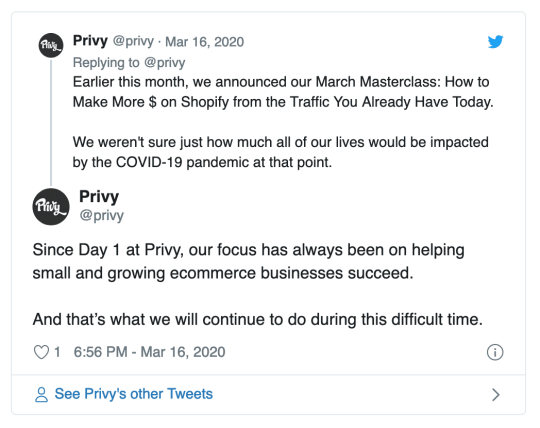
At a time when eCommerce business might be cutting back ad budgets, Privy hosted a webinar focused on making the most from your existing traffic: 
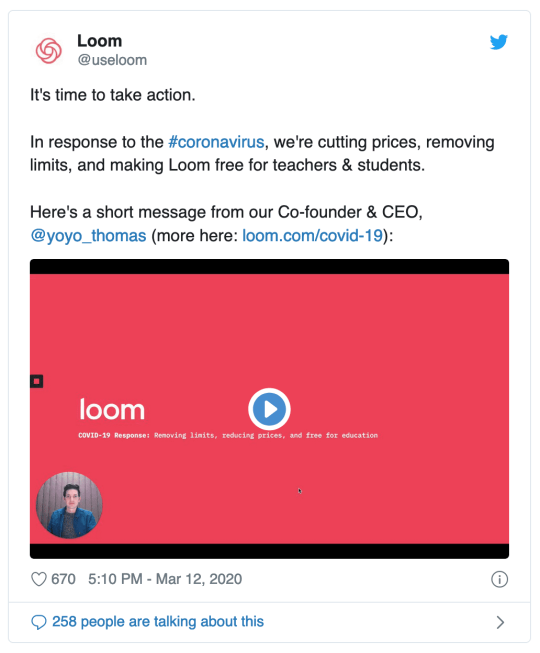
Loom made changes to its platform to help students and teachers: 
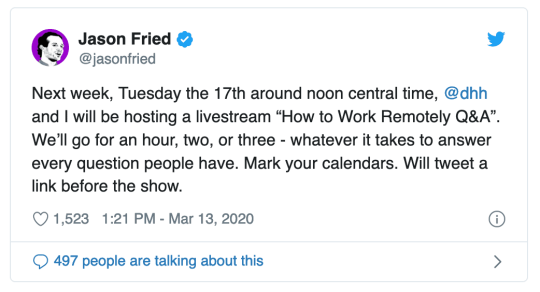
And Basecamp’s co-founders hosted a Q&A about remote work: 
Over the coming days and week, ask yourself: What role does your brand play in this situation?

(And it’s completely fine if feels like there’s nothing. Don’t force it.)

Think clearly about the unique role your brand plays in people’s lives. If you’re an entertainment brand, maybe your audience could do with a fun distraction, like Disney releasing Frozen 2 early. 

If you’re a travel company, dealing with support might be more of a priority, so you could try to proactive about questions from your audience and give clear directions on what’s happening. 

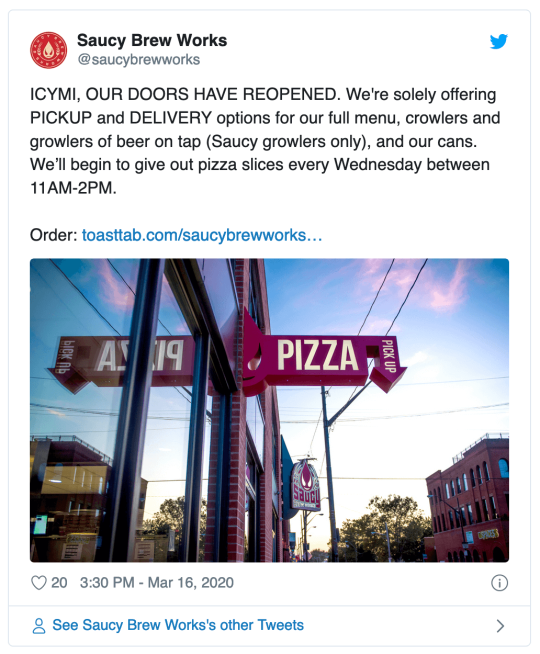
And as a local business, it could be helpful to simply share your opening hours or how you’re being affected by what’s going on. Saucy Brew Works, a brewery and restaurant in Cleveland has been keeping its followers regularly updated with open hours and updates:
Communicate clearly with customers

It’s almost always better to over-communicate than under-communicate. Especially in times of crisis.

If you’re closing your office and the team is working from home and it isn’t impacting your customers, that might not be something you’d want to communicate. If your team shifting to remote work will impact customer service response times, or delivery times, that is something worth sharing.

With so many companies impacted consumers are getting much more communication than usual from the brands and companies that they engage with, make sure that the information you are giving them is empathetic to that and focused on conveying only key messages.

When it comes to figuring out what to say when you put out a message over the coming days and week, the details matter. Strive to make all communication clear and relevant, and avoid making assumptions and share decisions early to give you customers as much time as possible to react.

Delta airlines has been great at communicating with its customers on social media over the past week-or-so. Its CEO, Ed Bastian, turned to LinkedIn to keep customers informed: 

And Delta has also been sharing some additional information and context across its social channels, such as how air filtration systems work on its planes. This is a great example of over-communication that is relevant to customers who may be traveling during the crisis.

Patagonia made the decision to close its retail stores on Friday, March 13, 2020:
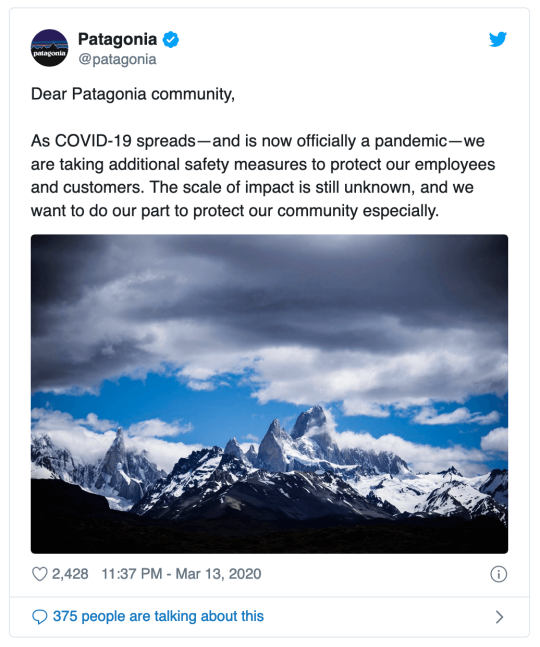
In its announcement, Patagonia made sure to over-communicate and provide customers with plenty of information about how it is dealing with COVID-19. In the Twitter thread sharing the announcement about its retail stores closing Patagonia told its customers:

  • We will temporarily close our stores, offices and other operations at the end of business on Friday, March 13, 2020.
  • Employees who can work from home will do so. All Patagonia employees will receive their regular pay during the closure.
  • We apologize that over the next two weeks, there will be delays on orders and customer-service requests.
  • We encourage our friends everywhere to take the extra precautions necessary to safeguard their health and that of others.

The message could have simple been “We’ll be closing our retail stores at the end of business on Friday, March 13, 2020 — but taking the time to over-communicate, and share more than it needed to, helped Patagonia to assure it’s customers that is was doing all it could for them, and to support the company’s employees.

(This Twitter thread started by Matthew Kobach has more examples of brands communicating clearly during this on-going crisis.)

Support and keep your team informed 

Work will look a little different for all of us for a little while, and it’s great to embrace the concept of over-communication with your team as well as your customers.

In times of crisis, it’s important to keep in close contact with each member of your team and set some expectations around what work might look like over the next few weeks or months.

As people adapt to new working practices productivity might not be at its usual levels, and it’s important to let your team know how your company plans to deal with the effects of COVID-19 and the new work environment.

Here at Buffer, our Director of People, Courtney Seiter, and CEO, Joel Gascoigne, shared updates with us last week on COVID-19, Buffer and how the next little while might look for the team. We also have a temporary, and very optional, Slack channel where teammates can chat, share news, resources and support each other at this time. As a remote team, we’ve also been making extra effort to connect with each other for impromptu chats and get togethers, too. 
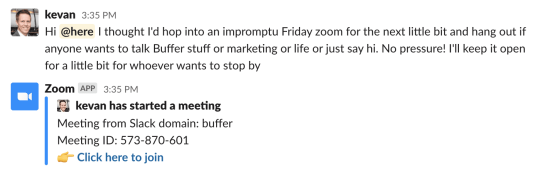
There’s still a lot going on to figure out but it feels incredibly important for company leaders, and teammates alike, to be pro-active supporting their teams and each other. 

Further resources on crisis communication and social media management

Here are a few resources we’ve found helpful for thinking about social media and communication strategy at this time:


Thank Social Media Management in Times of Crisis for first publishing this post.

Tuesday, March 17, 2020

Introducing Best Time to Post: Personalized Recommendations to Increase Your Reach on Instagram

Search “best time to post on Instagram” and you’ll find countless articles telling you when to post according to studies of a few million Instagram posts.

We have written such articles ourselves. For a long time, we thought that’s the way to grow our reach and engagement on social media.

But that is no longer the best approach.

There are many reasons for the change. Most importantly, you now have much more data about your own posts and followers. The best time to post is when your followers are online and engaging with your posts.

How do you know when to post?

Well, you can now get recommendations for when to post on Instagram to maximize your reach, with Analyze. Curious to find out more? Read on.

Introducing Best Time to Post: Personalized Recommendations to Increase Your Reach on Instagram

Analytics as your assistant

Analytics is often simply numbers and graphs. It’s easy to understand why some people are intimidated by analytics. But that doesn’t have to be the way. Analytics can be joyful and fun. It should help you take away the tedious work of dissecting graphs and calculating numbers. Analytics should feel like your assistant.

With Analyze, you don’t just get charts. You’ll also see three recommended times to post on Instagram. They are times when your predicted reach is among the highest during the week.

Most people would find the three recommendations sufficient but if you want more, you can then dive into the charts.

Best time to post on Instagram in Analyze

How does it work?

Your brand’s best time to post is unique to your own brand. That’s because your Instagram followers behave differently from the followers of other brands. So your best time to post should be dependent on your followers’ behavior.

Here’s how Analyze predicts your reach:

First, it looks at how your previous Instagram posts have performed and when they were posted. Do posts at certain times of the day or the week get more reach? Second, to make the predictions more accurate, it also looks at when your Instagram followers are online.

Using these two pieces of information, Analyze predicts your reach on Instagram for each hour of the week. For each hour, Analyze also informs you how the predicted reach compares with the average hourly reach for the whole week.

The predicted reach for this hour is 31% higher than the average post reach of the week.

Then, it recommends three times to try.

You’ll notice that the three times aren’t necessarily the three times with the highest predicted reach. That is intentional. The top times are often next to each other (e.g. Wednesday at 1pm and Wednesday at 2pm). Unless you are posting about a live event, it doesn’t help your reach by publishing multiple posts around the same time. By spreading out your posts throughout the week, you can maximize your reach for the week.

Grow your reach more efficiently

Once you know your best times to post, you can go to Publish to update your posting schedule.

First, go to your Instagram account in Publish and click “Settings” then “Posting Schedule”.

Here, you can add new posting times or adjust your existing posting times to your best times to post.

The times are saved automatically, and you are ready to publish at your best times! Simply add new posts to your queue to schedule them at those times.

It’s worth noting your best times to post can change over time. While your followers’ behavior shouldn’t change drastically, every new post gives Analyze additional data to work with. With that, it might find new best times to post. I would recommend checking your best times to post every few months, especially if you have recently tried new posting times.

Insights delivered to you

We should all be spending less time figuring out our data and more time optimizing our campaigns. With the recommendations in Analyze, you can save some time analyzing your data or reading “best time to post” articles so that you can focus on what’s more important — creating great content.

This new feature is available on all Analyze plans. Give it a go, and take some time back from analyzing your data.

Try Analyze today.

P.S. In the future, you can expect Analyze to surface more insights to you, rather than you searching for them yourself.


Thank Introducing Best Time to Post: Personalized Recommendations to Increase Your Reach on Instagram for first publishing this post.

Wednesday, February 12, 2020

Introducing Buffer + Shopify: Simplified Shopify reporting in your Buffer dashboard

One thing we’ve heard over and over is that logging into social media analytics tools can leave marketers feeling a little lost. Sure you can see the reach and engagement of your posts but how is this really impacting your business?

Social media tools have been great at giving us social media metrics. But they terribly lack at providing us with a comprehensive view of the business. Unless you are running social ads, chances are you find it hard to know how your marketing efforts have influenced sales.

For direct-to-consumer (DTC) brands that invest in social media, the need to understand how social media and sales relate to each other is crucial. Marketers at these brands need to know how their social media strategy is helping the business. To them, social media is not just about getting likes and comments…

but how their social media posts are driving the business forward.

That’s why we are thrilled to introduce the first version of our Shopify integration today. You can now have your social and Shopify data in one single tool and create modern, visual reports with more data about your business. 

(Can’t wait to get started? Start an Analyze Premium trial to try the integration right away!)

Realize the full potential of your brand

Our customers use our platform of products to build their brand and connect with their customers online. Analyze, our new analytics product, aims to help you realize the full potential of your brand.

To achieve the best version of your brand, we want to give you:

  • More data to provide a more complete picture of your brand
  • Data that are easy to understand and share
  • Strategies and tactics to achieve your goals

Currently, social media marketing can feel isolated from the business. You spend time creating content, find the best time to post, and respond to questions on your posts. At the end of the day, you can only report on follower growth, reach, and engagement.

Only if you had more data about your marketing efforts and the business!

When we look at 1,300 top DTC brands, we learned that 87.4 percent of them use Shopify to sell their products.

Shopify provides data that marketers and small business owners often lack in social media tools — sales data. We realized it’s a source of data that could give you a more complete picture of your brand:

Social + sales

Simplified Shopify reporting in your Buffer dashboard

“We usually cross reference metrics from Shopify and our social media analytics.”

When we asked our customers how they figure out whether what they are doing on social is worth it, we heard several versions of the quote above. That’s when we realized our customers have a problem we could solve.

With the new Shopify integration, you’ll have your social media and Shopify data in a single place — Analyze. For this first version, we focus on a few key metrics you need and put them in the same dashboard as your social media data.

At the top of your Shopify tab, you can get a quick health check-in on your business. This is built for you to get a sense of your business health at a glance.

One of the metrics you’ll get is your average customer lifetime value. This is an important metric to know because to have a profitable business, you generally want to spend less money on acquiring new customers and retaining them than they spend on your products.

You’ll also get data to help you understand where your sales are coming from and what products are selling well.

Which channel drives the most number of customers or the highest sales?

Which channel brings in the most valuable customers?

Which are my top products, and where are the sales coming from?

This additional data from Shopify in Analyze will give you a better picture of your business than having only social media data.

To make it easier for your reporting, you can add the tables to your reports in Analyze, download them as PDF, and share them with your team. Just like any other tables and charts in Analyze.

Connecting social media and sales

For a long time, marketers have struggled to show the impact of social media on the bottom line. Much of this data is not available in social media tools that marketers use to plan, optimize, and report their campaigns. It just felt off that marketers can plan and measure their social media campaigns in one tool but have to find another, often much more complicated, tool to know that the campaigns are selling products.

Now you can report how much sales your social media marketing strategy has generated for the business — using a single tool.

(These numbers do not include orders from customers who saw your social media posts and went to Google to search for your website and buy products. That is much harder to track right now. But you now know, at the minimum, how much sales came directly from your social media profiles and the actual impact is much higher.)

You no longer need to jump between tools to draw the connection between your social media efforts and your sales.

Hannah Pilpel, social project manager at MADE.COM, discovered that customers from organic social have a higher average order value than the site average. You can now see this for your business, too.

Gain a better understanding of your brand

Having more data and analytics is essential for realizing the full potential of your brand. It gives you insights to act on and improve your marketing campaigns so that you can grow your brand and your business.

This is just the first version of our Shopify integration, and we are keen to explore more ways to make it more valuable to you. For example, here are some of the areas we have been thinking about:

  • Per-post sales: Find out how much sales each social media post has generated
  • Campaign sales: Know how much sales your campaign has generated
  • Customer insights: Learn more about the social media users who are buying your products
  • Customer lifetime value: Calculate customer lifetime value for different segments
  • Product buzz: Get insights into who’s talking about your products on social

For now, with your social media and Shopify data together in Analyze, you can already have a better understanding of your marketing and brand.

Give yourself an advantage today.

Try Analyze for free.


Thank Introducing Buffer + Shopify: Simplified Shopify reporting in your Buffer dashboard for first publishing this post.

Saturday, December 21, 2019

How Brands Can Leverage Pinterest To Make Sales

Did you know:

Pinterest is such a key part of the buying journey for its users that over 90 percent of weekly active Pinners use Pinterest to make purchasing decisions.

Talk about buying power!

Not only are Pinterest users making purchase decisions on the platform, 83 percent say they are making purchases specifically based on the content they’ve seen from brands on Pinterest. 

Pinterest is no longer simply a place to save ideas and build dream boards. Instead, Pinterest has turned into the world’s largest visual discovery platform.

And there are a lot of opportunities for brands.

We had a chance to chat with the team over at Pinterest about some of their best practices for brands looking to increase sales. We’re excited to share those lessons with you!

Here’s what we learned…


How people are using Pinterest

According to one survey, “47 percent of social media users saw Pinterest as the platform for discovering and shopping for products—more than three times higher than those who cited Facebook or Instagram.” 

Seventy-seven percent of weekly Pinners have also discovered a new brand or product on Pinterest, and according to Pinterest, “people actually want to see content from brands while they’re on the platform–78 percent say it’s useful.”

Pinterest might not immediately come to mind as a platform to invest in for many brands, but it should.

Pinterest lives in a unique space on the internet where users are discovering content related to themselves and their aspirations rather than focusing on others, and this has turned it into a powerful platform for users to make purchasing decisions and discover new brands and products. 

Clearly, Pinterest is not one to be ignored when it comes to your marketing strategy. Here’s how you can use the platform to drive sales.

How to leverage Pinterest for sales: 5 tips from the Pinterest team

There are some really simple ways that you can start leveraging Pinterest to reach new audiences and optimize your pins and profile for sales. Some of these tips might be easy to implement immediately while others might play into later strategies, let’s dive in! 

1. Brand your pins 

A whopping 97 percent of top searches on Pinterest are unbranded, according to the Pinterest team. For brands, this presents an opportunity to stand out and gain brand recognition through the platform. 

Pinterest recommends adding a small logo in one of the four corners of your pin, this can be done really easily in a tool like Canva. You can play around with the design, of course, and add your logo wherever it feels best. In this example from Quip, they went with top centered to fit with the rest of the text on their image. 

2. Create mobile-first content 

As with most sites, mobile is extremely important on Pinterest. Eighty-five percent of Pinners are using the mobile app, so it’s important that your content appeals to them while they’re on their phones and appears properly in their feeds. If you’re linking back to your own content, it’s also important that the page that you’re sending users to is mobile friendly as well. 

A tip from Pinterest here is to tailor your font size to phone rendering to make sure your fonts are legible on small screens and to design for a vertical aspect ratio. The ideal dimensions are 600 pixels x 900 pixels. 

3. Create a similar look and feel 

Have you ever clicked on a beautiful image on Pinterest only to be taken to a website that looks nothing like the pin? I have, and it left me really confused.

According to Pinterest, the best practice is to make sure your pins and your website have a similar look and feel, and that doing this pays off. In an analysis from Pinterest, they found that “Pins that went to landing pages with similar imagery had a 13 percent higher online sales lift.”

This example from Ettitude is really great. The pin they are sharing fits seamlessly in a lot of home decor and design tags on Pinterest. 

And although their website uses different photos, it still has a similar feel to the pin.

4. Time your campaigns 

A big element to social media marketing and campaigns is timing. When are people online and when are people talking about the things you want to talk about? 

Luckily in the case of Pinterest, they release annual ‘Seasonal Insights,’ which helps take away some of the guesswork. A report that contains more than a dozen specific moments that take place throughout the year. 

For example, their 2019 report shared that users start sharing holiday content in June all the way through December and that content related to the Summer starts getting pinned at the beginning of February. 
They also have monthly trends reports. Here’s their latest for December 2019 trends on Pinterest, it shares specific trends like the search term ‘peach green tea’ is up 320 percent YoY! 

These are great free resources that you can leverage to start timing seasonal campaigns around when people are starting to make specific seasonal purchasing decisions. I would never have thought that people start looking at holiday content in June but that’s super-specific information that can go a long way to help with timely campaigns. 

5. Set up your shop 

One of the main ways for Pinterest to help generate sales is for the products you are selling to be easily available through Pinterest. Luckily, the platform makes this really easy for brands to set up and feature prominently on their profiles. 

Every Business profile on Pinterest has the ability for users to create a “shop” tab. 

The shop tab is just what it sounds like, a place where users can go to see all of the products your brand is selling. On the flip side, brands can leverage that tab to share pins that link directly to their sales pages for the specific product. 

Pinterest makes this whole process quite easy, they even have a method for importing new products through Pinterest Catalogs. All you have to do is have your data source approved and then as you add new products to your website, they get automagically added to Pinterest as well. 


We hope this guide helps you get started with or double down on your efforts with Pinterest. Let us know about your experience with Pinterest in the comments! 

If you want even more Pinterest resources, the Pinterest team has created a free Pinterest Academy with tons of lessons in there. 


Thank How Brands Can Leverage Pinterest To Make Sales for first publishing this post.

Sunday, December 15, 2019

The Best Instagram Stories of 2019


Instagram Stories was one of the most dynamic social media channels in 2019. So much happened with Stories — from new developments with the product to strong returns on Stories ads and organic reach.

Over 500 million people use Instagram Stories every day.

I’m definitely among that group.

And at Buffer, Stories has been a major focus in 2019 as well. Within the Buffer product, we debuted Stories scheduling to help you plan and manage your Stories content, and we released advanced Stories analytics to help you know what’s working.

Not to mention, we had a ton of Stories podcast episodes in 2019, which you can find in our archives. 

So when it comes to picking some of the best Stories campaigns of 2019, we really have a lot of options. And it’s hard to choose. 


The Best Instagram Stories of 2019

We’ll run through a list of our favorites. If there are any favorites of yours that we missed, please do let us know by using #bufferpodcast on any social media channel.

Let’s get right to it then. 


1. Tastemade

Some of the best Instagram content is food content. And Stories is no exception! Especially the folks at Tastemade. 

Tastemade is a community of food, travel, and design lovers. Their website is chock full of beautiful food videos and shows. They do a great job translating it to their Instagram Stories. 

In particular, their “tap fast” format has been so fun to watch. 

That’s right. Many of the stories on the @tastemadeuk handle use “tap fast.” These Stories piece together dozens of photos in stop-motion fashion — each photo just a slight movement ahead of the previous. And then you are the one who animates all the images into a moving picture by tapping quickly from one Story to the next. 

Collectively, it makes a self-propelled stop-motion video of a biscuit baking or a cooking dunking. It’s awesome.

And it’s good for your Stories stats, too. There’s a ton of incentive to tap all the way through to see how the Story ends up.

2. Brooklinen

Along with food content, music is another big theme for the year. You’ve probably seen your friends and colleagues sharing what they’re listening to on Spotify. You can share your songs straight to Instagram Stories from your Spotify mobile app. 

Another way that brands have taken advantage of this is sharing playlists through Instagram Stories. 

Brooklinen, for instance, has a great series of playlists. They’ve even branded them with their own name: Brooklinen Beats. Each time Brooklinen shares a a playlist on Stories, they add a swipe up link that sends people to Spotify to listen. Brooklinen debuted a new playlist every week at the start of 2019, and they’ve saved all their playlists to their Stories highlights for people to check out anytime.

3. Burrow

Next up, one of the most creative Stories we saw this year came from the furniture brand Burrow. 

They basically created a coloring page for their audience to fill in.

Yeah, the set of Stories was called Dream Sofa. Burrow asked its followers to describe their dream sofa — it could be as wild and imaginative as they liked. Then Burrow provided the sofa template. Burrow shared a drawing of a couch — just the outline in black, on a white background. They posted this to the Burrow Stories, along with instructions on how their community could download the picture and add to it. Then people grabbed the template, added their own stickers and colors, and shared to their personal accounts. Burrow was able to re-share the Dream Sofa Stories back to the Burrow account.Talk about great community engagement and incredible user-generated content!

4. Potluck 


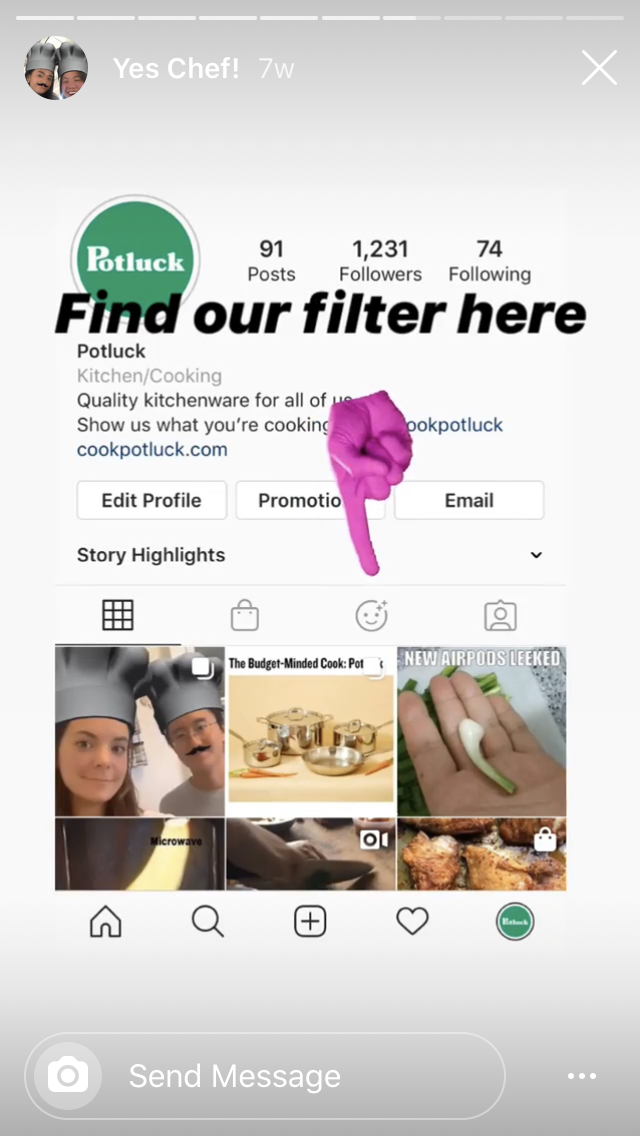
For our next top Instagram Story, we’re going back to the world of food. Cookware brand Potluck had a great campaign based on one of the neatest — albeit underutilized — features of Instagram Stories: custom AR filters. 

Potluck created its very own Instagram Stories filter called Yes Chef. The filter adds a chef hat and mustache to any faces in the photo. 

Many people in their community ended up using the filter on their photos and tagging Potluck in the Stories. The Potluck team was then able to reshare and collect these photos into their own Stories collection, which remains on their profile in their Stories highlights. 

Each time Potluck shares a new Yes Chef pic, they give a shout out and an @mention to the person who originally made the photo, another great way to build community support for the brand.

I thought it was also really neat how Potluck did a Story educating people on where to find the filter. Worked great for getting the word out about it!

5. Pattern Brands

Cookware brands really had some awesome Stories this year. Our next pick is from another cookware brand, or rather, from its parent company. 

Pattern Brands, which release Equal Parts cookware products this year, had a fantastic series of Stories content that told a really compelling brand story.

(Pattern is the brand featured in our new podcast series that follows the introduction of Pattern, going from nothing to a new product over the course of a few months. You can listen to this series by searching for Breaking Brand wherever you listen to podcasts.)

Pattern’s Instagram Stories campaign is quite simple in concept. They created wallpapers that their audience could download and use as phone backgrounds. We’ll share a couple examples in our show notes. They’re beautiful. 

And what’s particularly compelling about how they approached this is that they told a larger story: the backgrounds are watercolors in a soft, calming palette, designed to promote a sense of peace when you’re spending time on your phone. This is right in line with the brand story that Pattern is telling.

6. Allbirds

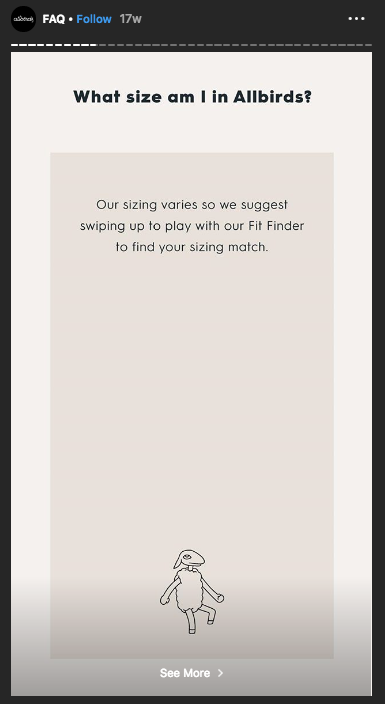
Allbirds does a great job of bridging the gap between product promotion and customer service. Allbirds uses some of its Stories to share answers to frequently asked questions about its products. 

This strategy is such a wonderful display of customer service and value. Allbirds takes these FAQ Stories and adds them to their Stories Highlights so the FAQ is always visible from their Instagram profile. This gives potential customers the chance to find answers to their questions quickly and easily, right from the profile page, without having to wait any time at all to hear back from an Allbirds person. 

7. Monica + Andy

Speaking of making great use of Stories highlights, Another Stories campaign we love is the way that brands have built out almost an entire library of content within their Stories. 

Take Monica + Andy, for instance. The kidswear brand runs its own podcast, and each podcast episode gets a shoutout on the brand’s Instagram Stories.

What’s particularly great is that each Story shoutout follows a similar template. There’s a photo of the podcast guest plus some nice typography and titles. What Monica + Andy do then is take these Stories and put them all into a Stories Highlights. When you tap on the Highlights, you can thumb through the entire podcast archive, one after the other, and all the images look great and on-brand.

8. Its Nice That

The online design magazine puts together a weekly newsletter to share on their Stories at the end of every week.

It’s a ton of great content, packaged perfectly for Instagram. Each story is its own slide, designed with a unique background and with strong headline copy. You swipe up to go to the Its Nice That website to read more. They’ll share about five to ten articles each week this way — the top content and news from the past few days in a very digestible format. 

9. Instagram Story templates

And then one final Stories trend that we really loved seeing this year was the rise of Instagram Story templates. We referenced this a bit earlier with Burrow’s cool example of the Dream Sofa.  2019 introduced a whole cottage industry of Story templates for brands. 

A Story template is simply an image with graphics and text that includes a number of blank spaces for people to fill in their answers. Picture a questionnaire or a mad lib. 

The Hopper blog listed a huge number of different options of ways to use these templates, many of which we saw on several brand accounts in 2019.The list includes: 

  • Trending topics, like a “follow Friday” template or a “Five Women who inspire me” on International Women’s Day
  • Current affairs, like sporting events, where you can run a guess the score template
  • and a personal favorite of mine — Fill-in-the blank emoji templates where you pick an emoji that describes, say, your current mood or the weather or what you did today

How to say hello to us

We would all love to say hello to you on social media – especially Twitter!

Thanks for listening! Feel free to connect with our team at Buffer on Twitter, Buffer on Facebook, our Podcast homepage, or with the hashtag #bufferpodcast.

Enjoy the show? It’d mean the world to us if you’d be up for giving us a rating and review on iTunes!


About The Science of Social Media podcast

The Science of Social Media is your weekly sandbox for social media stories, insights, experimentation, and inspiration. Every Monday (and sometimes more) we share the most cutting-edge social media marketing tactics from brands and influencers in every industry. If you’re a social media team of one, business owner, marketer, or someone simply interested in social media marketing, you’re sure to find something useful in each and every episode.  It’s our hope that you’ll join our 27,000+ weekly iTunes listeners and rock your social media channels as a result!

The Science of Social Media is proudly made by the Buffer team. Feel free to get in touch with us for any thoughts, ideas, or feedback.


Thank The Best Instagram Stories of 2019 for first publishing this post.

Monday, November 18, 2019

Brand Secrets for Standing Out in a Crowded World


These days, we live in a world of infinite supply…

In just a few clicks, anyone can start a business. Anyone can create products, build an online store, publish ads, and reach an audience online. This means that every market is becoming flooded with businesses offering similar products, features, and solutions. 

So to stand out you need to have a brand that your customers connect with, and care about deeply. 

In this post, we’ll be sharing some tips and strategies to help you to build your brand. These insights all come from our new podcast series — it’s called Breaking Brand and it’s out there for you to listen to right now. 

What exactly is a brand?

Before we jump into some strategies and tactics for creating a brand your customers will truly care about, let’s first look at what exactly a brand is. 

The word “brand” is used a lot in marketing today. But what exactly does brand mean? That question that might sound simple… but is actually pretty complex, and there isn’t a one-size-fits-all answer.

David Ogilvy describes a brand as “the intangible sum of a product’s attributes.”

Marty Neumeier, an author and speaker who writes about branding and innovation, says “a brand is a person’s gut feeling about a product, service, or organization.”

And Camille Baldwin, one of the Pattern Brands founding team, and star of Breaking Brand, says “brand to me is identity. It’s all of the things that make up identity, your values, your principles, who you are, your characteristics and your intention.”

Brand to me is identity. It’s all of the things that make up identity, your values, your principles, who you are, your characteristics and your intention.

Camille Baldwin, VP of Brand, Pattern Brands

So to summarize… Your brand is the identity of your business, and how it makes people feel. 

Now, let’s dive into some takeaways from Breaking Brand to help you build a buzzworthy brand that stands out against your competitors.

4 Ways to build a memorable brand

1. Know what your consumers care about

Most people are really good at explaining the “what” and the “how” of their business. For example, say you’re an accountancy company, describing the what and the how is pretty simple…

  • What you do is you help individuals and businesses to ensure their finances are in shape.
  • How you do it might vary, but it tends to involve some form of account management where you assist with invoicing or balance the books every month or quarter.

And the thing that will help one accountancy company stand out from its competitors is moving from the what and the how to the why.

The “why” is what will make a potential customer choose your business over another. The “why” is your differentiator. 

In general, consumers aren’t too fussed about how you do your work — the tools you use, your internally processes, and things like that. What consumers care about is “why does this business matter in my life?” 

And to go back to the accountancy example — we already explained the what and the how — but the “why” might not be so obvious. For example, if an accountancy company mostly serves small businesses, the “why” might freeing up time for the business owner to spend with family and friends. 

So how do you find your why? 

Customer research is a great place to start.

At Buffer we often do research interviews with customers to learn how our product helps them, and to better understand how they describe the benefits of Buffer. We’ve even had teammates spend the day with customers at their offices to see first-hand how Buffer fits into their routines and workflows.

And in Breaking Brand, Emmet Shine, co-founder of Pattern Brands, talks about the importance of knowing the customer when it comes to building a brand consumers will care about.

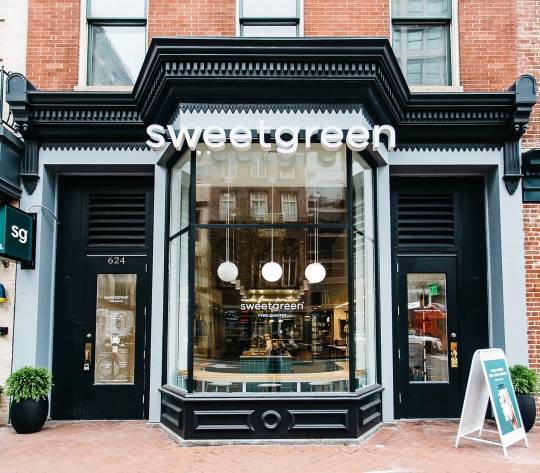
Before starting Pattern Brands, Emmett helped over 50 businesses launch to market, and one of those businesses was Sweetgreen, a restaurant chain selling healthy salads and grain bowls.

When working on the Sweetgreen brand and trying to understand its customers, Emmett and his team spent countless hours at Sweetgreen restaurants. They would watch how the staff would prepare salads, listen to how customers would place orders and immerse themselves in how the company works.

Essentially, they were trying to understand every tiny detail about what made Sweetgreen unique and special. 

This enabled the team to craft a brand that really emphasised what customers were looking for from Sweetgreen and helped them to find their “why”. 

Now Sweetgreen has over 75 restaurants and reportedly generated in excess of £100 million in 2018. So they clearly have a brand that fits what consumers are looking for.

2. Find the technical, functional, and emotional benefits of your business

Once you’ve done your customer research, you can begin to think about the various types of benefits your business offers consumers.

In episode one of Breaking Brand, Pattern’s VP of Brand, Camille Baldwin shares how the brand pyramid framework can help you to define those benefits. 

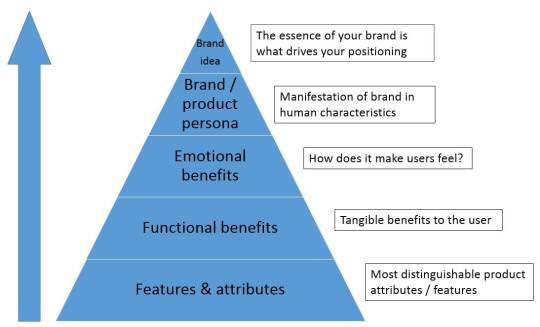
Brand pyramids have been around since the late nineties, but still play a key role in brand strategy. Pyramids help you to answer fundamental questions about your business and its place in the market. Here’s an example brand pyramid from Insead Knowledge:

Three of the key elements of any brand pyramid are the technical, functional and emotional benefits your business offers consumers. 

Technical benefits

At the bottom of your pyramid, you’re thinking about the technical benefits of your brand (labeled ‘Features and attributes’ in the above image). Essentially this will help you to define what you do as a company. At this stage you’ll want to ask questions like: How is this business benefiting the consumers? How will it make money? What are we offering? 

For example, at Buffer we might say the technical benefit of our product is to manage all of your social media content and profiles in one place. 

Functional benefits

Then, with the technical benefits of your brand defined, it’s time to look at the functional benefits you can offer consumers. Functional benefits are essentially what your customers get when they buy your product or service.

Functional benefits tend to focus on things like how a product can improve your life, help you stay connected to others or help you to make forward progress. 

At Buffer, a functional benefit might be not having to hit publish manually every-time you want to share to social media. Or in the case of a car: a big, spacious family car will offer the functional benefit of space for your whole family to travel in comfort. 

Emotional benefits

Next up, are emotional benefits. And these are really what makes one brand stand out from another.

Emotional benefits are how your brand makes someone feel based on the stories you tell consumers. 

One emotional benefit of Nike, for example, is that its equipment will make you feel like a professional athlete. And at Buffer we might say the emotional benefit of our product is peace of mind knowing that your content will be posted to social media platforms at exactly the right time every time. 

As you go through everything you’ve learned during your customer research phase, start looking out for emotion-based words your customers, or potential customers, use to describe your company or the problem you’re solving. 

Whenever someone says “I feel” or “it made me.. happy, relaxed, proud, or healthy”, for example, this helps you to identify the emotional benefits your company delivers. 

3. Craft a simple tagline and message

Just Do It, Think Different, I’m Lovin’ It… 

Those are all examples of great brand taglines. By saying just two or three words, I bet you knew exactly which businesses I was talking about. And that’s the power of being able to boil your message down to something simple, and memorable. 

In episode three of Breaking Brand, Emmett Shine, co-founder of Pattern Brands explains: “The thing about branding and marketing, is you can do years worth of research. But if you can’t boil it down to this thin sliced tagline it doesn’t matter.”

The thing about branding and marketing, is you can do years worth of research. But if you can’t boil it down to this thin sliced tagline it doesn’t matter.

Emmett Shine, Executive Creative Director, Pattern Brands

But this isn’t easy to do.

It took the Patten Brands team months of ideating and back-and-forth to land on their tagline “Enjoy Daily Life”.

But now that simple statement acts as a guiding light for everything they do. From the content they post on social media to the products they sell. 

Boiling your whole business down to one sentence, or even just a couple of words can be very tough. And you can’t force it. One of the best ways to craft the perfect tagline is to facilitate brainstorms and create space for idea sharing. Another thing the Pattern Brands team has done was to journal about their business and riff on ideas in private too. 

And sometimes the best ideas will come to you outside of the office. So don’t be afraid to think outside the box, and away from your desk. 

Communicating a clear message in just a few words is very difficult. One way we’ve found to come up with taglines at Buffer is to start long and edit down.

So to begin with, write exactly what your business delivers for customers in as many words as it take — this could be a paragraph or two, maybe even longer. And remember to think about the emotional benefits here too, not just the technical and functional benefits you offer. 

Next, you’ll want to take what you’ve just written and edit it down to just one or two sentences. Repeat that process to make it one sentence, or just a few words. Then take that final piece of copy and play with a number of different versions: Rewrite it, change out words, and experiment with different lengths. This process will help you to distill all of the thoughts you wanted to share about your business into a short, memorable tagline. 

Now you might be wondering: “Why is a tagline so important?” 

From personal experience, I know I’ve never bought a Mac because their tagline is “think different.” But having that tagline in places means that Apple has a clear mission, and everything it does — from the adverts it makes, to its keynote launches — is guided by that vision.

4. Ensure your business lives and breaths your brand

To be successful, and for consumers to trust your message, you have to live your brand. 

For example, Nike says its mission is to “bring inspiration and innovation to every athlete in the world.” And the company sees every single person as an athlete, not just the pros. 

But Nike doesn’t just say that, it lives by it. 

That’s why the company focuses on creating the most innovative clothing and footwear, and why its advertising revolves around inspirational messages and stories.

Nike’s brand is reflected in every piece of content it puts out on social media. Just before writing this, I jumped over to Nike’s main Instagram account, here are just a few posts I spotted:

  • An IGTV video with Saquon Barkley sharing where his NFL dreams started.
  • A photo of women’s marathon world record holder Brigid Kosgei with former record holder Paula Radcliffe.
  • A photo of Rafael Nadal sharing his ambitions as a child.

Of course, not all businesses will have the resources of Nike, or the access to global superstars for that matter. But it still serves of a great example of ensuring the essense of your brand shines through on every platform. 

To go back to the accountancy example I mentioned earlier. If your “why” or emotional benefit is giving small business owners more free time to spend away from work, you could ensure all of your messaging and content supports this mission. This could mean Instagram posts with clients enjoying themselves away from the office or blog posts about disconnecting from work. It could even mean you rethink the imagery and copy you use on your website.

As I mentioned right at the start of this post, your brand is the identity of your business and how it makes people feel. So every single touchpoint where someone can interact with your business should represent what you want your brand to be, and how you want people to feel. 


Thank Brand Secrets for Standing Out in a Crowded World for first publishing this post.

The Newest Black Friday + Cyber Monday Ideas for Your Social Media Marketing


The biggest retail dates of the year are just around the corner. Do you have your social media marketing ready?

We’ve researched some of the trendiest marketing ideas for Black Friday + Cyber Monday, including flash sales, messenger marketing, and UGC. In this blog post, we’ll cover a host of new ideas, tips, and tactics that can help you boost your already-planned campaigns or give you some inspiration for an upcoming piece of content.

Find out some of the numbers behind Black Friday and Cyber Monday, and see what the most cutting-edge brands are trying out this holiday season.


Holiday shopping begins for people all the way back in September! So there’s a wide window of opportunity to reach customers who are in the shopping mood.

According to the National Retail Federation, the average shopper is planning to spend $1,047 this holiday season, which is a four percent increase from last year. 

Overall, sales in November and December are expected to rise between 3-to-4 percent, reaching more than $725 billion. 

That’s a huge amount of spending. We’ll get into some ways to best position your products and promotions during this spending season. But first, we wanted to start with a couple of outside-the-box campaigns to get you feeling inspired. 

Inspiring examples of Black Friday / Cyber Monday marketing

Outdoor apparel retailer REI has taken a rather unique approach to its Black Friday marketing. For the past four years, REI has chosen simply to not participate at all. They close their stores and send their employees home. Even the website has a giant takeover message. They want you to feel empowered to opt out of Black Friday and spend time outside. The hashtag campaign “Opt Outside” has been a hit. 


And this year, they’re taking it one step further by not only encouraging people to opt out of shopping but also asking folks to spend their time cleaning up the environments around them of trash and waste. 

It’s a really powerful message to send, and it’s been very effective for REI’s brand.

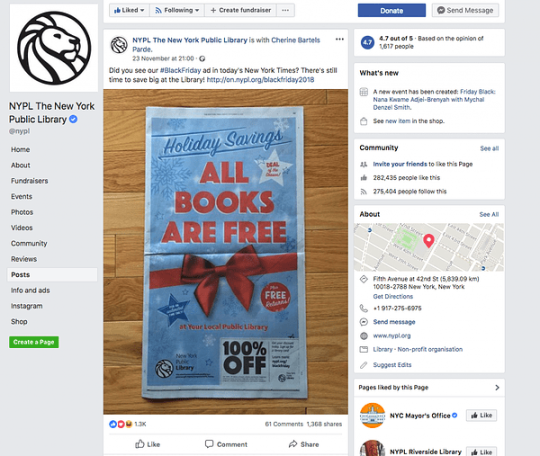
For another example of Black Friday creative campaigns, there’s this amusing one from the New York Public Library. The library put together some simple content to share on social, advertising a 100% off sale on all its books. 

Of course, the joke here is that the New York Public Library is a .. well, library. All of its books are free to check out all the time anyway. 

Nevertheless, it proved to be a very memorable campaign.

So with these fun examples in mind, let’s jump into some of the specific strategies and tactics you can take with your Black Friday and Cyber Monday marketing.


1. Conduct hourly flash sales

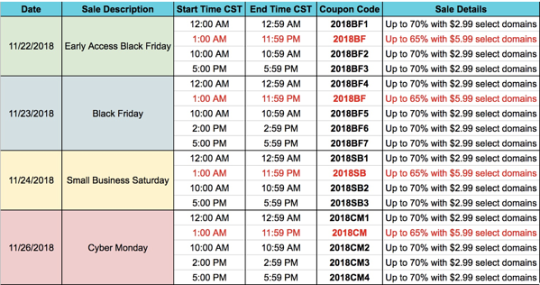
When researching this episode, we came across a really interesting case study of HostGator, a web hosting service, and how they approached Black Friday / Cyber Monday. Essentially, HostGator put together a spreadsheet with multiple sales at multiple different hours of multiple different days. It was fascinating!

Yes, their sales typically lasted one hour with some steep savings of 60 to 70 percent. And each hourly sale had its own coupon code so they could track the results. 

It’s a really interesting strategy, especially when you think of how you can use it on social media. 

That’s right. Think of all the possibilities for Stories content and social posts if you have multiple sales during the shopping weekend. Especially with Stories, you have things like countdown timers and reminder stickers that you can use to great effect. Each new sale gives you another chance to reach out to your audience in multiple ways — getting attention before the sale starts, holding attention during the sale, and teasing the next one. 

2. Think beyond Black Friday and Cyber Monday

HostGator’s plan included sales for Early Access Black Friday as well as Small Business Saturday, and it’s a trend that many other businesses are emulating. 

The Black Friday weekend is almost a four day affair, if not more. We have Gray Thursday, which is U.S. Thanksgiving Day, then there’s Black Friday, Small Business Saturday, and Cyber Monday, which some companies extend for the whole next week. 

If you’re thinking of using multiple days for your marketing plans, you can consider some fo the unique behaviors of your audience on these days. For instance, on Black Friday, you might tie some of your marketing into some Buy Online / Pickup In Store specials (commonly referred to as BOPIS) and on Cyber Monday, you can of course focus on online sales. Shoppers spent $7.9 billion online for Cyber Monday last year. 

Related to this, it’s also worthwhile to start, really, any time between now and the holiday weekend, if you haven’t already. Around 40% of consumers start their holiday shopping before Halloween. So shopping is definitely top of mind for your audience, even before Black Friday hits. 

3. Update your design assets for each of the holidays

You’ve probably seen this with many of the brands you love. All their designs, photos, and graphics match the season we’re in. This might mean harvest colors in October and early November, short and catchy ads around Black Friday, and then holiday themes in December. 

If you’re able to align all these creative assets across all platforms — Facebook, Instagram, Pinterest, Twitter, even your display ads — it can create a very powerful and memorable brand experience, which often ends up tying back to ad performance and sales!In fact, according to Twitter Business, ad recall is 60 percent higher if a brand does something as simple as placing the logo in a consistent spot. These little things – logo placement, color, font, hashtags — they make a difference! 

4. Make the most of Facebook Messenger and WhatsApp

There are some really big opportunities out there for messaging platforms around the holidays. 

The website Retail Dive touched on a bit of this in a recent blog post explaining the virtue of SMS and text messaging. Get this: During Black Friday 2018, there were reports of brands getting 2000% ROI from using SMS campaigns during the Black Friday weekend. 

That’s an incredible number!So probably your mind goes next to, well how can I get this set up for my brand? 

You can definitely go the SMS route. We think it can be almost just as effective if you think of applying this strategy to Facebook Messenger or WhatsApp as well. Either way, the workflow looks a little like this: 
Step One: collect the contact information and the person’s opt-in consent.

This can happen at signup or with a special one-off campaign to collect contact info with the promise of special deals coming soon. 

Then, you can apply some messaging strategies to the data. Send a discount code to subscribers. Follow up with an email with the same discount and more product offerings. For those who don’t purchase right away, send a reminder nudge. 

You can even tie this into the hourly flash sales we talked about earlier. Just be careful not to overuse this messaging channel — you want to always uphold first and foremost a solid, genuine relationship with the person. Sending too many messages can be a turn-off.

5. Focus on user-generated content (UGC)

You probably have a lot of content to create around these busy holiday dates, so it can be quite a relief to get some help from your community by re-sharing the content that they’re already making. 

This can take a lot of different forms like photos of your brand and product, or positive user reviews. It’s especially easy on Instagram Stories where you can reshare someone else’s post to your Stories with just a couple taps. 

Some companies go the extra mile and create programs to incentivize users to create and share content about the brand. You can tie giveaways into this strategy — offer prizes to random winners who have used a certain hashtag or commented on a post. We recently added a Giveaways feature to our social engagement product, Buffer Reply, if you want to check it out at buffer.com/reply. 
For some simple ideas for creating UGC contests, we quite like this list by G2 Crowd. 

  1. Ask your community to share a video or photo of them using your product
  2. Ask your community to reshare your content
  3. Ask people to follow you on social
  4. Have people tag people in the comments, people who they think might benefit from what your brand has to offer

6. Craft a well-designed mobile experience, from social to your website.

For last year’s Black Friday / Cyber Monday shopping, Adobe Analytics found that mobile devices sent 58 percent of traffic to websites, which represented a 20 percent increase from the year before. 

That means that more than half of your website visitors are likely coming from mobile. Is your website prepared? 

it’s worth considering this type of user flow when you’re putting together your social media campaigns. Be sure that whatever you’re linking to — whether it’s from your social ads, from the Swipe Up in your Stories — that the page is well-optimized for mobile. It’s going to make a big difference with user experience and with conversions. 

7. Prepare for product returns

People often turn to social media to get in touch with brands for product questions. You can expect that volume to be especially high around the shopping weekend. 

Yeah, we thought this stat was really interesting: projections say that 77% of consumers expect to return some of the presents they get this year. And almost 20 percent of consumers say they’ll return more than half of their gifts. 

Knowing this in advance, you can put together some workflows and some docs to help prepare your social media teams to handle these types of requests and this volume. 

8. Stories, Stories, Stories

As has been the case in past years, Stories on Instagram, Facebook, and Snapchat continue to be more and more important for showcasing what your company sells. 

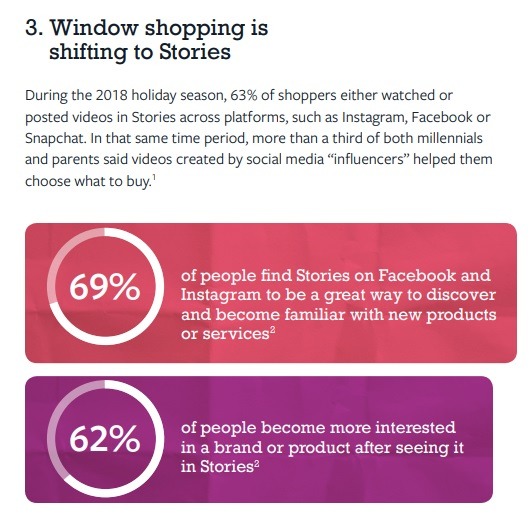
According to Facebook’s holiday marketing guide, Stories have become a hugely popular place to window shop. Last year, 63 percent of shoppers either watched or posted videos on Stories and more than a third of shoppers claim that videos were influential in choosing what to buy. 

So whatever you do with your content plans this Black Friday and Cyber Monday, be sure that you’ve allocated plenty to Stories! 

About the Show:

The Science of Social Media is your weekly sandbox for social media stories, insights, experimentation, and inspiration. Every Monday (and sometimes more) we share the most cutting-edge social media marketing strategies from brands and influencers in every industry. If you’re a social media team of one, business owner, marketer, or someone simply interested in social media marketing, you’re sure to find something useful in each episode.  It’s our hope that you’ll join our 27,000+ listeners each week and rock your social media channels as a result!


Thank The Newest Black Friday + Cyber Monday Ideas for Your Social Media Marketing for first publishing this post.